DataTorque tech firm turns to interns
Leading tech company DataTorque has adopted a fresh approach to recruitment that will see its group of new graduates thrive.
Wellington’s success in the movie industry is well-known, but gaming is making waves. The city can claim 34% of the national game tech workforce.
Leading the Wellington success stories is Pik Pok. It’s the largest gaming company in the country and employs over 200 people. Dinosaur Polo Club, Wētā Workshop Game Studio, A44 Games, and RiffRaff also have established reputations. The Kilbirnie-based Floating Rock has been flying under the radar on the game development front, but it’s recently secured a major investment. It’s currently hiring another 24 staff to help bring its first game, Kyōryū, to life.
A still from Kyōryū game by Floating Rock.
Floating Rock’s low profile is in part because, since its inception in 2020, it wasn’t involved in gaming. Co-founder Stephanie Parker explains, “Our initial focus was on developing original creative IP like short commercials for AirNZ flights or 15-second ads for Uber Eats. The other source of income came from teaser trailers and game cinematics”. Game cinematics are two-to-three-minute cutaway scenes that are embedded in a game’s storyline. Floating Rock specialised in producing these self-contained vignettes for game companies.
Audience at Pitchfest 2025, hosted by Floating Rock at Roxy Cinema in Miramar.
The company’s new direction is unusual insofar as creative tech businesses generally choose a lane and stick to it. “Most places are siloed and produce animation FX, or series, or games — I can’t think of many other companies that have crossed over.” Stephanie also suggests being relatively small and young helped with the move. “We’re not quite a startup anymore but still have the mentality — it’s easy enough to adapt and pivot to stay alive longer.”
The leap into making games occurred through Floating Rock’s own initiative — Pitchfest. The biennial meetup offers the opportunity for anyone to pitch an animated film series or game. Benjamin Mulot pitched the idea of Kyōryū — it followed a young, genetically modified son of a samurai T-Rex in post-apocalyptic Tokyo. The game honoured the memory of his late father, who had passionately encouraged his son’s fascination with dinosaurs. Floating Rock loved the touching story and provided resources to develop a trailer. “It went viral online, amassing over a million views. We realised it needed to become a game.”
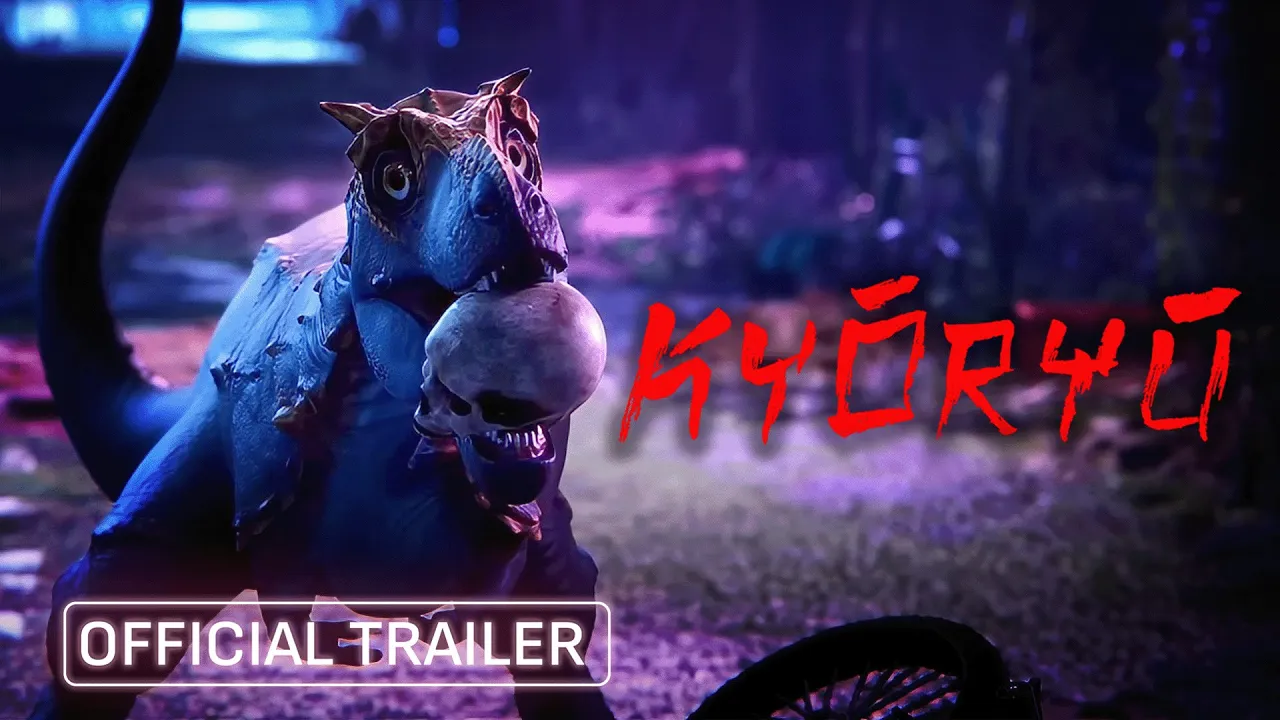
Kyōryū is Floating Rock’s first original IP game. They’ve gained a publisher and funding to expand the business, including recruiting more staff. “Landing this deal validates the process we’ve been establishing for Pitchfest. We’ve had to put it on hiatus for the time being until we can get other projects out the gate.” This game is destined for export, as are 98% of games made in New Zealand. In a 2026 NZ On Air report, games were referred to as a weightless export — not requiring costly freight. They also help create skilled employment across the creative tech industry.
Ironically, Floating Rock’s export success is commandeered by four imports. Stephanie is Canadian, Lukas Niklaus is Swiss, while Garrick Rawlingson and Laurent Herveic are French. “Honestly, I was only meant to be here a year — now I’ve been here seven and the others about ten years each.” They all found Wellington a great space for animation. “It’s a very creative city, and our friends in other creative areas are encouraging and collaborative. A smaller city allows you to grow and explore more stylised gaming worlds.”
The team behind Floating Rock.
Leading tech company DataTorque has adopted a fresh approach to recruitment that will see its group of new graduates thrive.
Goodnature is changing the way conservation and pest control are done. Designing and manufacturing their traps from Wellington, they’re now selling to the world.
An Indigenous Animators Exchange between Wellington and Galway, both UNESCO Creative Cities of Film, is celebrating Te Reo Māori and Irish Language/Gaelic.
The International Dark Sky Reserve in Wairarapa has some of the darkest skies available on Earth. Local businesses are welcoming the long night.
Wellington fintech Cogo teams up with A Summer of Tech to grow New Zealand talent and tackle climate change with smart, scalable solutions.
A TV drama series brings Celtic myth to Wellington’s south coast. The production team reflect on filming through winter and working with animatronic seals.
The Village Goldsmith in Wellington is redefining jewellery with Floeting® — a revolutionary, claw-free diamond setting that’s captivating the world.
For Kowtow founder Gosia Piątek, Wellington was the perfect place to start her sustainable fashion brand. Here’s how they make the sustainable vision a reality.
Wellington startup OpenStar is pushing the boundaries of fusion energy, pioneering world-changing science with Kiwi ingenuity and bold ambition.
Former skin therapist and Prologic Skincare founder Rachel Robertson has enlisted help from a business mentor and hasn’t looked back.